
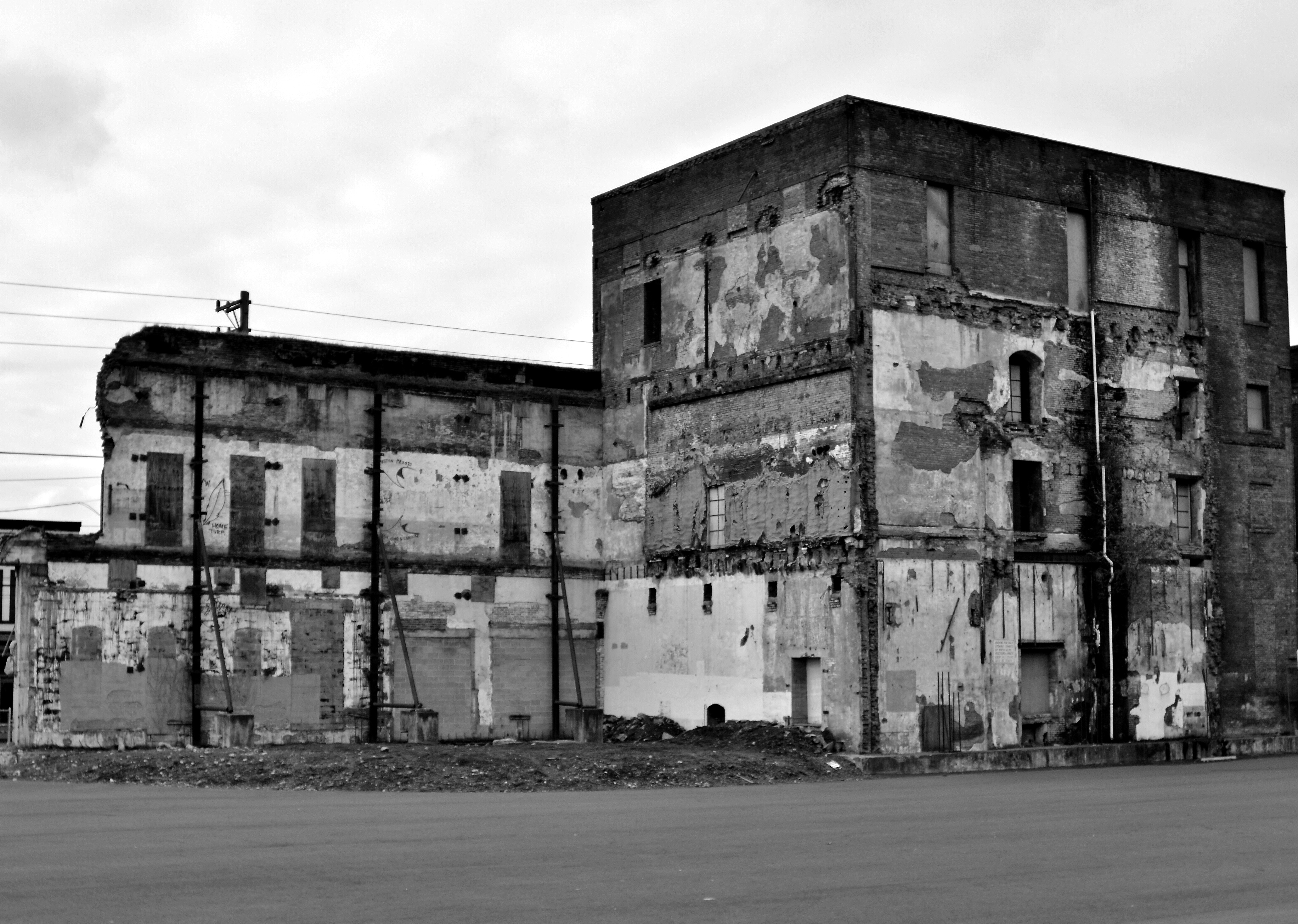
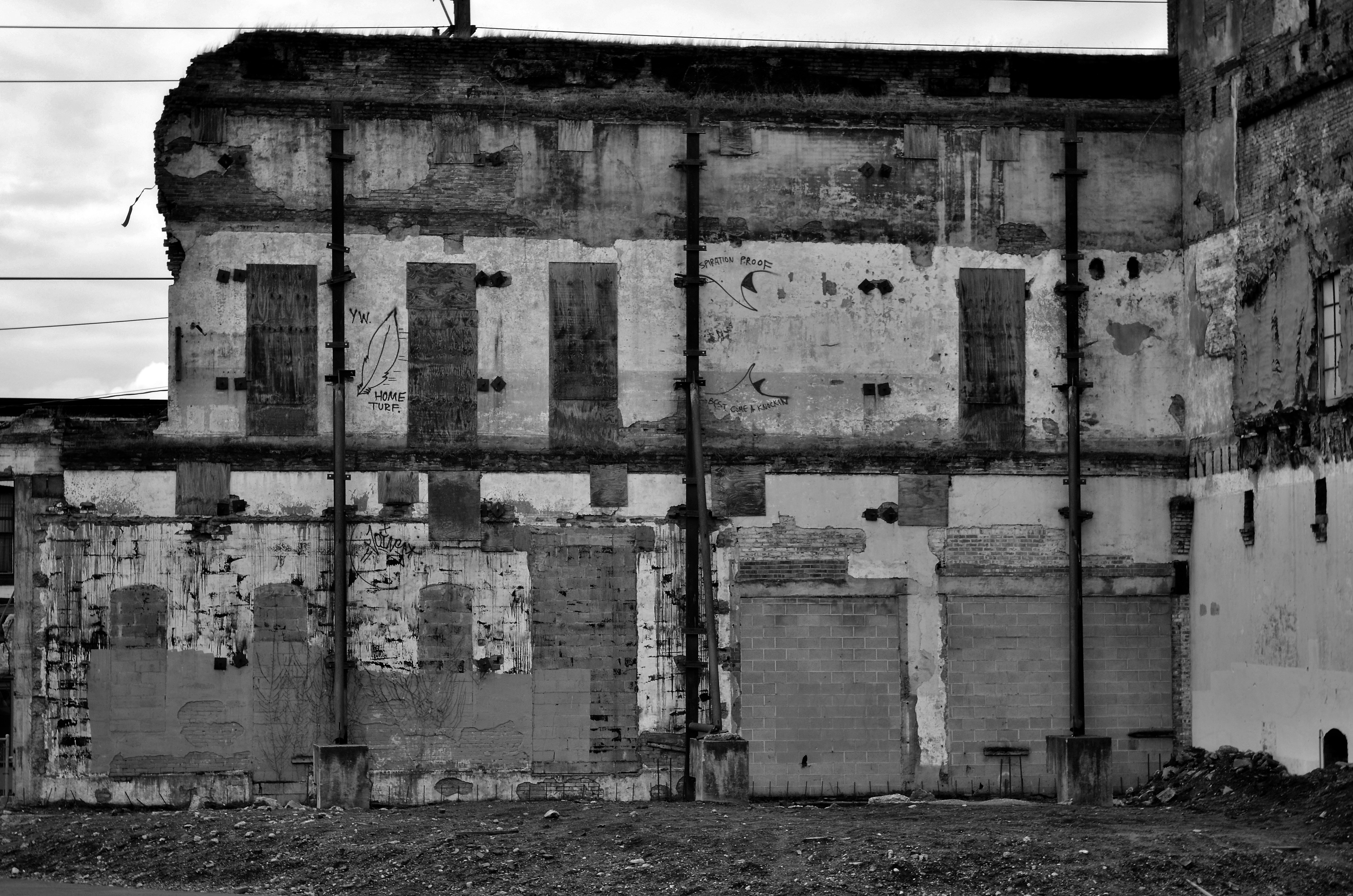
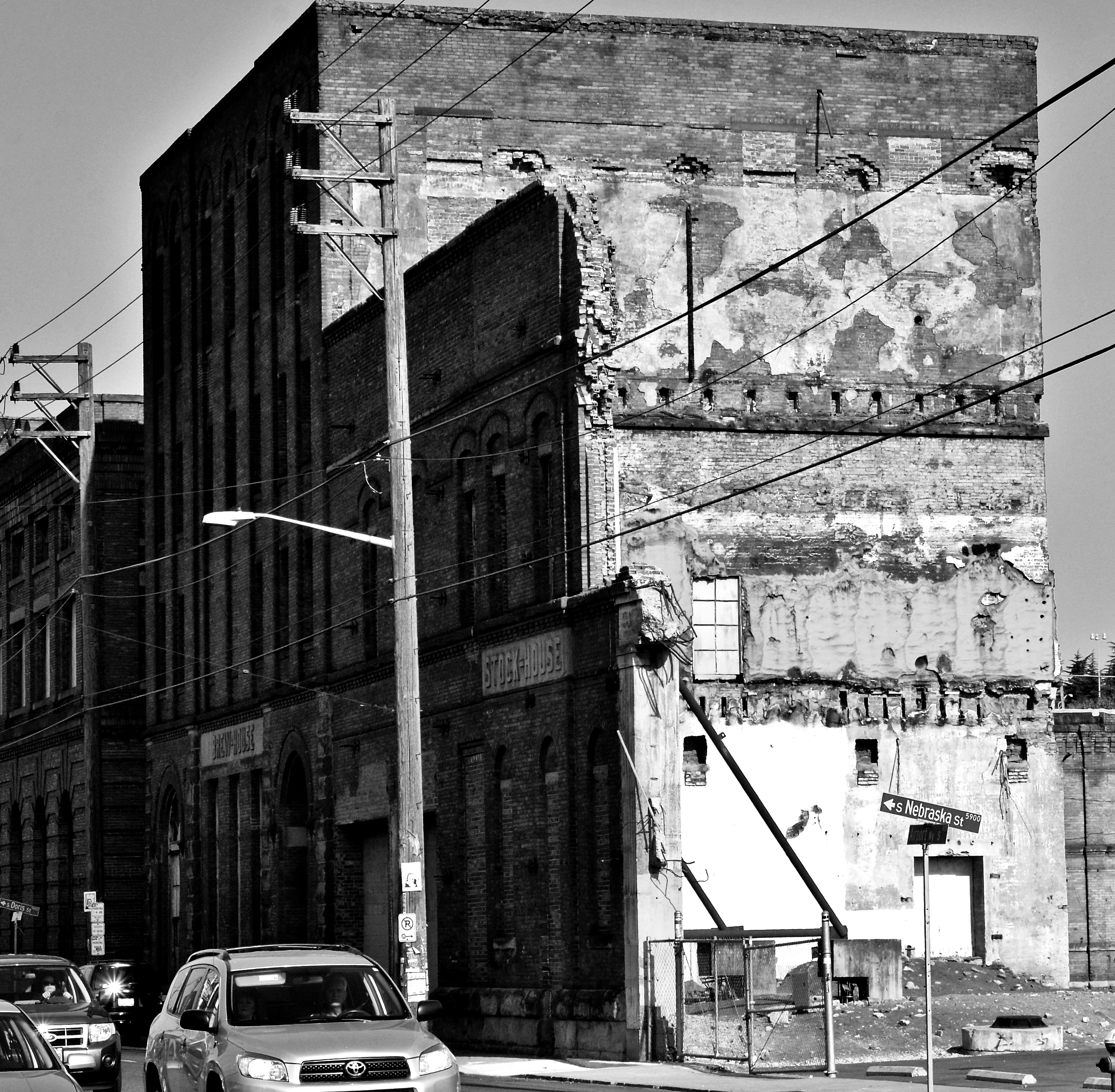
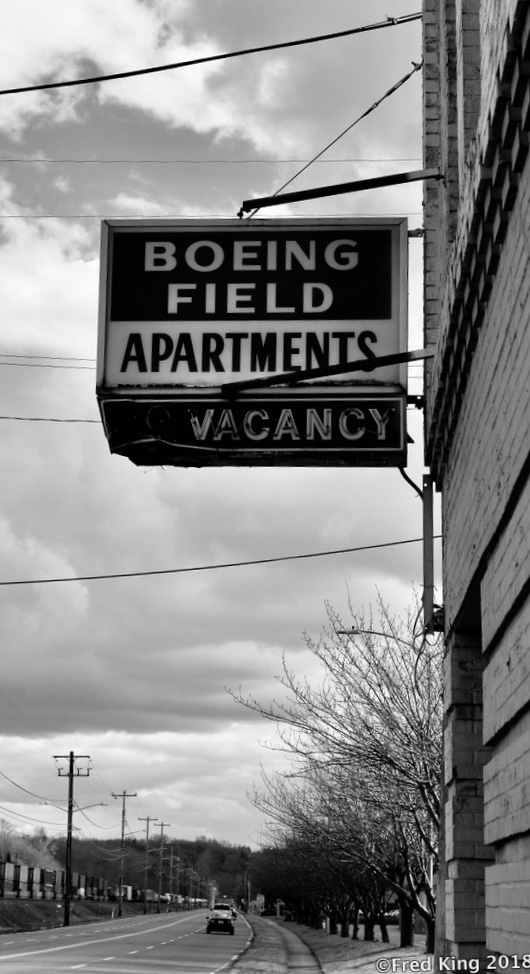
Some images taken in 2012 in the Georgetown area of Seattle. Years ago I was shooting in a few neighborhoods or sections of Seattle that seemed to be gentrifying faster than I could cover: Georgetown, First Hill and SODO. At the time of shooting these images, this wall ( if you zoom in a little), you can see the large, metal support poles holding this free standing brick wall. Developers, with the permission or encouragement of the City, rarely side with the notion of preservation. Eventually, this policy, destroys any hope for a sense of history to survive. If you control the perception of the past, by elimination, you lose the sense of connection to the history of our past.
{Quick health update: my last scan showed that the areas of concern are ‘stable’, which is good news. I’m still doing immunotherapy ( Durvalumab) every 28 days, which will continue ‘indefinitely ‘. Being a cancer patient for 18 or so months has been weird, but so far I think I’m one of the lucky ones.}




 Ivy seems to be able to grow anywhere, including bridge supports.




 Bluestar2012's Photoblog